
What Does CMV Status Mean When Choosing a Sperm Donor?
CMV status is one of several factors to consider when choosing a sperm donor, and all European Sperm Bank donors are tested as part of the screening process. We discard all donations made by donors with an active CMV infection, and also allow you to filter donors by their CMV status. This enables you to choose an appropriate donor should your fertility clinic advise you to avoid CMV-positive donors, and ensures the risk of transmitting CMV to a donor sperm recipient or unborn child is extremely low.

October 1, 2026
8 min. read
8 min. read
All you need to know about CMV status
- What is CMV (cytomegalovirus)?
- What is CMV status?
- What does CMV-positive vs CMV-negative mean?
- Why CMV status matters before pregnancy or fertility treatment
- Should you choose a CMV-negative or CMV-positive sperm donor?
- How sperm donors are screened for CMV
- How do I find out my own CMV status?
- Where do I find the CMV status of sperm donors?
What is CMV (cytomegalovirus)?
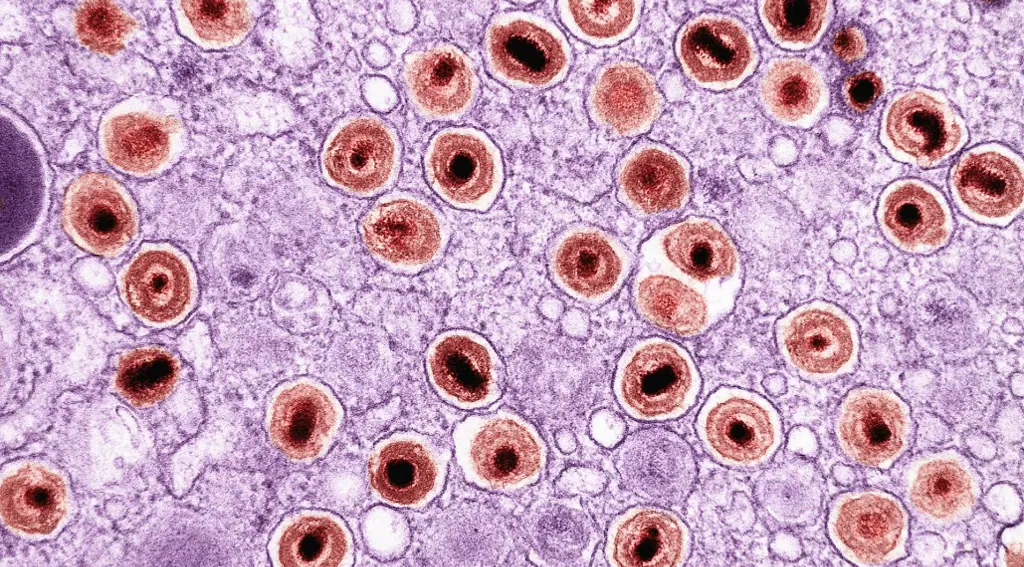
CMV stands for cytomegalovirus. It is a very common virus that belongs to the herpesvirus family. Many people become infected during childhood or adulthood without ever realising it because the virus is often symptomless or results in a mild, flu-like illness.
After infection, CMV usually remains dormant in the body for life. It rarely causes ongoing medical issues for healthy adults. However, CMV can affect pregnancy if a person is infected for the first time while pregnant. As a result, fertility clinics test for CMV and consider CMV status when matching donors and recipients.
In rare cases, CMV can cause health issues for people with weakened immune systems and unborn babies. At European Sperm Bank, all sperm donors are regularly tested to determine their current CMV status.
What is CMV status?
CMV status refers to whether the antibodies that indicate previous exposure to cytomegalovirus (CMV) are present in a person’s body. It is detected via a blood test, and those tested are considered either CMV-positive or CMV-negative.
- CMV positive generally means the person has been infected with CMV in the past and has developed antibodies.
- CMV negative means no CMV antibodies were detected, suggesting the person has not previously been infected.
CMV status is one of many health screening measures used when assessing and approving sperm donors and planning fertility treatment.
What does CMV-positive vs CMV-negative mean?
A CMV-positive result indicates the presence of antibodies and an active or historic infection, while a CMV-negative result indicates no current or historic CMV infection. Donors can be CMV-positive without having an active infection. At European Sperm Bank, we regularly test our donors and all donations made by a donor with an active CMV infection are discarded.
Once infected by CMV virus, the human body fights back by producing different antibodies depending on the stage of infection. These are known as IgM and IgG (short for "Immune globulin M" and "Immune globulin G"). Testing for both these antibodies allows health experts to determine how recent CMV infection was and whether it may still be active.
CMV IgM (Immunoglobulin M) antibody
CMV IgM (Immunoglobulin M) is the first antibody produced by the body when you are newly infected with CMV. This type of antibodies is present in the blood of someone who has been infected or reinfected with CMV some time in the last three months. This could indicate a current active infection, but it could also indicate a recent active infection that has now passed. If a donor tests positive for IgM antibodies, we perform additional tests to confirm whether there is an active infection and discard affected donations.
CMV IgG (Immunoglobulin G)
CMV IgG (Immunoglobulin G) is the antibody produced several weeks after the initial CMV infection. The presence of IgG antibodies means you have been exposed to the CMV virus in the past, as a measurable amount will remain in the body for the rest of your life. However, if there are no IgM antibodies present, the virus is not active or contagious.
What CMV test results mean
When we conduct a CMV test, we test for the presence of both IgM and IgG antibodies. This means there are four possible outcomes.
- IgM Positive / IgG Positive: indicates either a recent infection or a reactivation of an old infection.
- IgM Positive / IgG Negative: indicates a new (primary) infection.
- IgM Negative / IgG Positive: indicates past infection but no recent infection.
- IgM Negative / IgG Negative: no exposure or no current infection.
Why CMV status matters before pregnancy or fertility treatment
CMV status matters before and during pregnancy because a first-time CMV infection increases the likelihood of passing the virus to the developing baby. This is known as congenital CMV. While most babies born with congenital CMV are healthy, some may experience hearing loss or other developmental complications.
The risks of transmitting CMV are extremely low
It is important to keep this risk in perspective. CMV is extremely common, and donor screening is designed to reduce unnecessary risk. Your fertility specialist will consider your medical history, CMV status and treatment plan before making recommendations.
For individual advice about donor suitability, always follow the guidance provided by your fertility clinic or doctor. You can also speak to our expert advisors if you would like more information on CMV status, sperm donors and how the risks associated with donor sperm are managed.
How to reduce CMV risk during pregnancy
Although CMV is common, there are practical steps that can help reduce the risk of infection during pregnancy. Good hygiene remains the most effective approach, and the following steps can help reduce the risk of infection:
- Wash your hands thoroughly with soap and water.
- Avoid sharing food, drinks, cutlery or toothbrushes with young children.
- Avoid contact with saliva and urine from babies and toddlers where possible.
- Clean toys, surfaces and well-handled objects regularly.
- Speak to your doctor promptly if you are pregnant and develop symptoms that suggest an infection or if you believe you have been exposed to the virus.
Should you choose a CMV-negative or CMV-positive sperm donor?
Choosing a CMV-negative or CMV-positive sperm donor depends on your own CMV status, your clinic’s policies and your individual circumstances.
If you are CMV negative, your clinic may recommend discussing the use of a CMV-negative sperm donor. This approach is often taken as a precaution to reduce the possibility of a first-time CMV infection during pregnancy.
If you are CMV positive, you may have additional donor options because previous exposure means your immune system has already developed antibodies. However, when selecting a donor, you should still follow your clinic's protocols and clinical advice.
How sperm donors are screened for CMV
Applicants undergo comprehensive sperm donor screening before they are approved to become donors. At European Sperm Bank, only 5-7% of all applicants are approved to donate. CMV testing forms one part of this wider assessment.
The screening process is designed to identify whether a donor has:
- Evidence of previous CMV exposure
- Evidence of recent or active infection
- Any other infectious diseases relevant to donation
A donor who is CMV positive because of previous exposure is very different from someone experiencing an active infection. Donors with evidence suggesting active or recent infection are managed according to medical and regulatory guidelines before being considered suitable for donation. This careful screening process helps minimise risks while recognising that previous CMV exposure is common among healthy adults.
How do I find out my own CMV status?
The simplest way to find out your CMV status is with a blood test arranged by your fertility clinic or doctor. Knowing your own CMV status before making a final donor choice allows your fertility clinic to recommend the most appropriate options based on your personal circumstances. If you are starting fertility treatment, ask your clinic whether CMV testing forms part of your routine investigations or whether it needs to be requested separately.
Where do I find the CMV status of sperm donors?
When you search for donors on the European Sperm Bank site, you can filter profiles by CMV status by clicking on the “All Filters” button in the top toolbar and scrolling down until you find “CMV status”. You can then select either CMV-positive or CMV-negative and filter profiles accordingly.

If you need to know a donor’s CMV status, you can call, chat or email us.
Other factors to consider
CMV status is an important consideration, but it is only one part of choosing the right sperm donor. Once you know which CMV status is suitable for your treatment, you can consider other donor profile information such as:
- Physical characteristics
- Education and interests
- Ethnicity
- Family history
- Medical screening results
- Family limits
FAQs about CMV and CMV status
What is the meaning of CMV status?
CMV status indicates whether someone has the antibodies that indicate previous exposure to cytomegalovirus. The status is usually reported as CMV-positive or CMV-negative based on blood-test antibody results.
Does CMV status matter for IVF?
Yes, CMV status can matter for IVF because it is relevant for pregnancy and the health of the developing baby. Fertility clinics use your CMV status alongside donor screening results to determine appropriate donors. You can then search for sperm donors with the recommended CMV status.
How do I find out my CMV status?
You can find out your CMV status through a blood test conducted by your doctor or fertility clinic. The test typically measures CMV IgG and IgM antibodies to determine whether you have had a previous infection.
What does it mean if a sperm donor is CMV positive?
A CMV-positive sperm donor usually has antibodies showing previous exposure to CMV. This does not mean there is an active infection. A positive CMV status is very common.
Can I use a CMV-positive sperm donor if I am CMV-negative?
Possibly, but this should always be discussed with your fertility clinic. Many clinics will recommend CMV-negative recipients look for a CMV-negative donor as a precaution. However, recommendations from your fertility specialists will take into account individual circumstances and relevant clinical guidance.
Is CMV common?
Yes, CMV is a very common virus. Most adults are exposed to it at some point in their lives, and it is often symptomless. As a result, CMV testing is necessary to establish an accurate CMV status.
Can CMV affect pregnancy or a baby?
Yes, CMV can affect pregnancy if the mother experiences their first CMV infection while pregnant. In some cases, the virus can pass to the baby, resulting in congenital CMV. However, the level of risk varies, and your fertility clinic or doctor will explain how it applies to your personal circumstances.
Filter sperm donors by CMV status
If you are ready to find your donor, explore our sperm donor profiles and use the CMV status filter to see donors that align with your clinic's guidance.